The short version
Key points
- The misinformation bill has been scrapped, according to the video.
- The under-16 social media ban received support from both major political parties.
- The government has not yet confirmed how age verification will be implemented.
- Tokenisation is discussed as one possible method, but this remains uncertain.
- The transcript warns that teenagers could move to less regulated platforms if major services are restricted.
What the video says about the ban
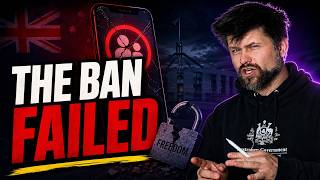
The video says the social media ban for people under 16 has been passed with support from both the Coalition and the Labor government. It also says that the details of how the policy will operate are not yet known, with the implementation expected to become clearer in a year’s time.
The existing age limit for many social media services is described as 13, but the transcript notes that young people can simply claim to be older. Raising the limit to 16 may therefore create a need for a more reliable age verification system.
Age verification and privacy questions
The government’s proposed method for confirming a user’s age is described as unresolved. One possibility mentioned is tokenisation, where an app could send a token, number or encrypted value to a social media service to indicate that a person is over 16 without sharing other information about them.
The transcript questions whether this process could increase surveillance or make people feel they need government permission to use services such as Facebook, X or YouTube. It also raises a separate concern about social media companies holding information about children. At the same time, it notes that phones, passports and driver licences already involve information being stored digitally.
The risk of pushing teenagers elsewhere
The video argues that the proposed restrictions may only apply to a limited group of large social media platforms. If teenagers are prevented from using better moderated services, they may move to smaller or less regulated platforms instead.
According to the transcript, some services have limited controls over violent, disturbing or otherwise harmful material. The concern is that restricting access to selected platforms could unintentionally direct young people towards services with weaker moderation and less accountability. The video presents this as a potential unintended consequence, rather than a confirmed outcome.
The role of parents and platforms
The transcript argues that parents should remain responsible for managing their children’s online activity. It refers to household router controls as one way to limit access to social media or restrict the amount of time children spend online.
It also says social media companies should be required to improve their handling of harmful material. However, the video rejects the scrapped misinformation bill and the proposed ban as complete solutions. The central uncertainty remains how the legislation will work in practice and whether it will address the broader range of platforms used by teenagers.
TechManPat’s conclusion
I think the government should not replace parents when it comes to managing children’s social media use. I am concerned that restricting a selected group of platforms could push teenagers towards less regulated services, while the government still has not explained exactly how the ban will be implemented. I also think social media companies should do more to control harmful content, but I do not see this ban as a complete answer.
This knowledge-centre summary is based on the linked TechManPat video and reflects the information available when it was published. Check current pricing, availability and policies before acting.