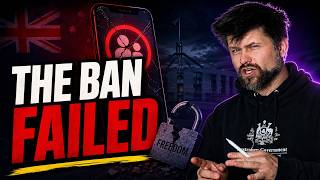
The short version
Key points
- Platforms must prevent under-16s from holding accounts from 10 December 2025.
- The penalties apply to platforms, not children or parents.
- Age assurance may involve facial age estimation, video selfies, account history and other methods.
- Messaging, school and gaming platforms, along with YouTube Kids, are mostly exempt for now.
- Critics have raised concerns about privacy, political communication and young people moving to less moderated services.
What the restriction does
From 10 December 2025, major social media platforms must take reasonable steps to prevent Australians under 16 from having accounts. The platforms named in the discussion include TikTok, Instagram, YouTube, Snapchat, Reddit, X and Facebook. Existing accounts belonging to under-16 users are expected to be removed or blocked.
The financial penalties are directed at the platforms, with fines described as being around $50 million per platform. Children and parents do not receive fines under the arrangements described. Messaging apps, school apps, gaming platforms and YouTube Kids are mostly exempt for now.
How age checks may work
The law does not allow identification documents to be the only age-verification method. Platforms may instead use a combination of facial age estimation, video selfies, account history and other automated checks. This means many adults could also be asked to demonstrate that they are over 16, rather than only children being checked.
The rollout is expected to vary between services. Meta began warning some users aged 13 to 15 before the start date, while YouTube may allow people who are not logged in to watch content without interacting, such as commenting. Platforms have acknowledged that some people may be incorrectly blocked or allowed through.
Privacy and surveillance concerns
Age assurance could require platforms to collect or process more identifiable information, potentially including biometric data. The concern raised in the discussion is that this may increase the amount of sensitive information held by large technology companies and create additional risks if information is misused or exposed.
The law, as described, does not create a central government identity database or give the government direct access to age-check information. It also does not create new bulk-surveillance powers. Government agencies can already seek information about specific users through warrants, court orders and criminal investigations. The stated change is that platforms may hold more accurate age information while enforcing the restriction.
Free speech and access to online life
Two 15-year-olds have challenged the restriction in the High Court, arguing that it interferes with political communication rights. The concern is that removing young people from social platforms could limit their access to news, creators, community groups and public discussion before they turn 16.
The policy’s supporters argue that the age limit may reduce exposure to bullying, predators and the effects of algorithm-driven services on sleep, mood, attention and development. The discussion also notes that 16 is an age at which Australians gain or exercise several other forms of independence, although the relevant rights and rules vary.
Possible unintended consequences
Age checks may be bypassed through fake birthdays, virtual private networks or other methods. A further concern is that young people removed from established platforms could move to alternative services with weaker moderation and greater risks. Excluding teenagers from news and community content could also affect their media literacy.
The rollout has been described as rushed, with platforms still adapting and some services reportedly added to the list close to enforcement. The minister’s stated position that the system is not being built around perfection suggests that errors and disruption are expected during the early stages.
TechManPat’s conclusion
I think the goal of giving teenagers some distance from algorithmic social media pressure is reasonable, but I am concerned about the rushed rollout, unreliable age checks and the extra personal information platforms may collect. I do not see the restriction as a clear secret government speech-control scheme based on the information discussed, but I do think it could create new privacy and safety problems while determined users find ways around it.
This knowledge-centre summary is based on the linked TechManPat video and reflects the information available when it was published. Check current pricing, availability and policies before acting.